.jpg)
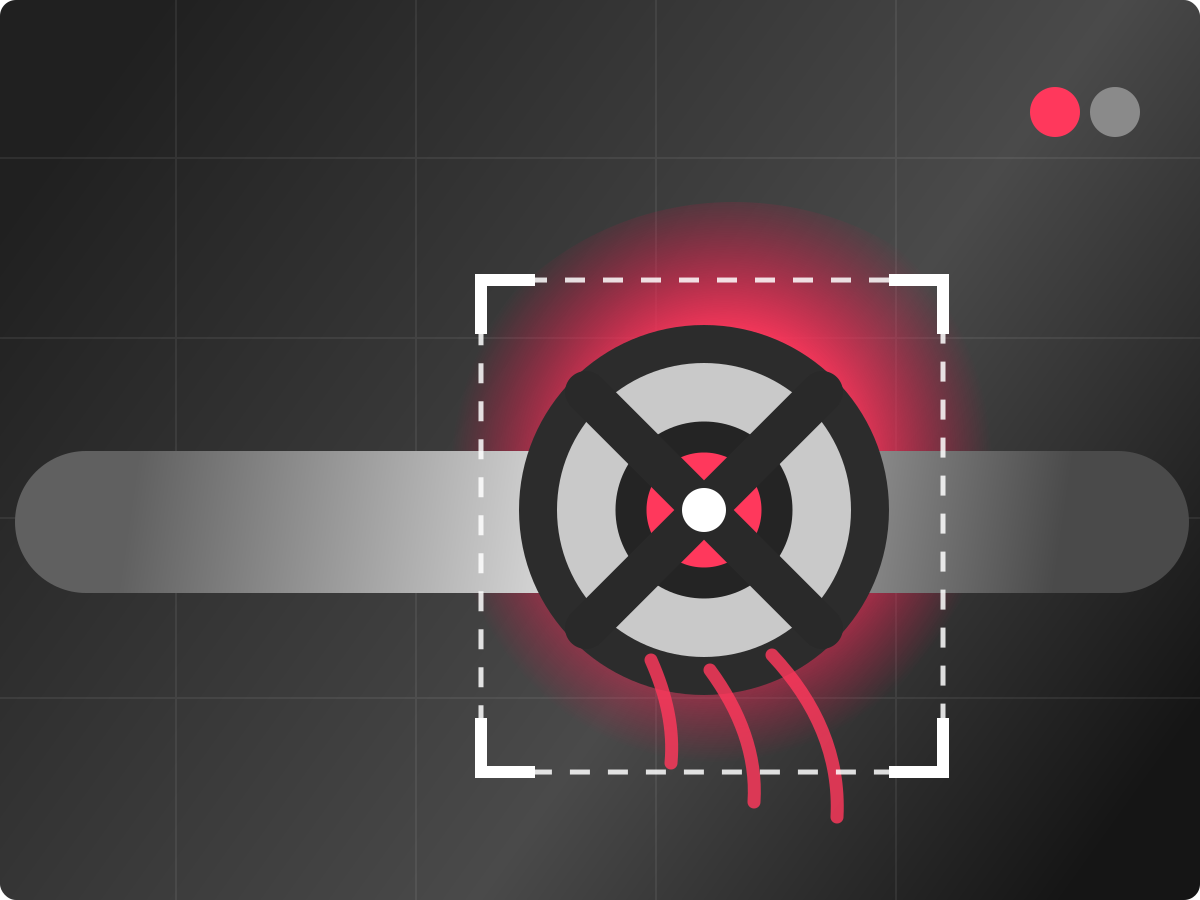 Thermal Evidence
Measure the change around the asset
Compare the region with adjacent pipework and its recent thermal history.
Industrial leak evidence for exposed water & steam assets
Leak Sight AI combines RGB video, thermal imagery, and operational context to find a probable source, show the evidence, estimate urgency, and start the right maintenance response.
Scope: visible water and steam leaks around above-ground pipes, valves, joints, and pumps.
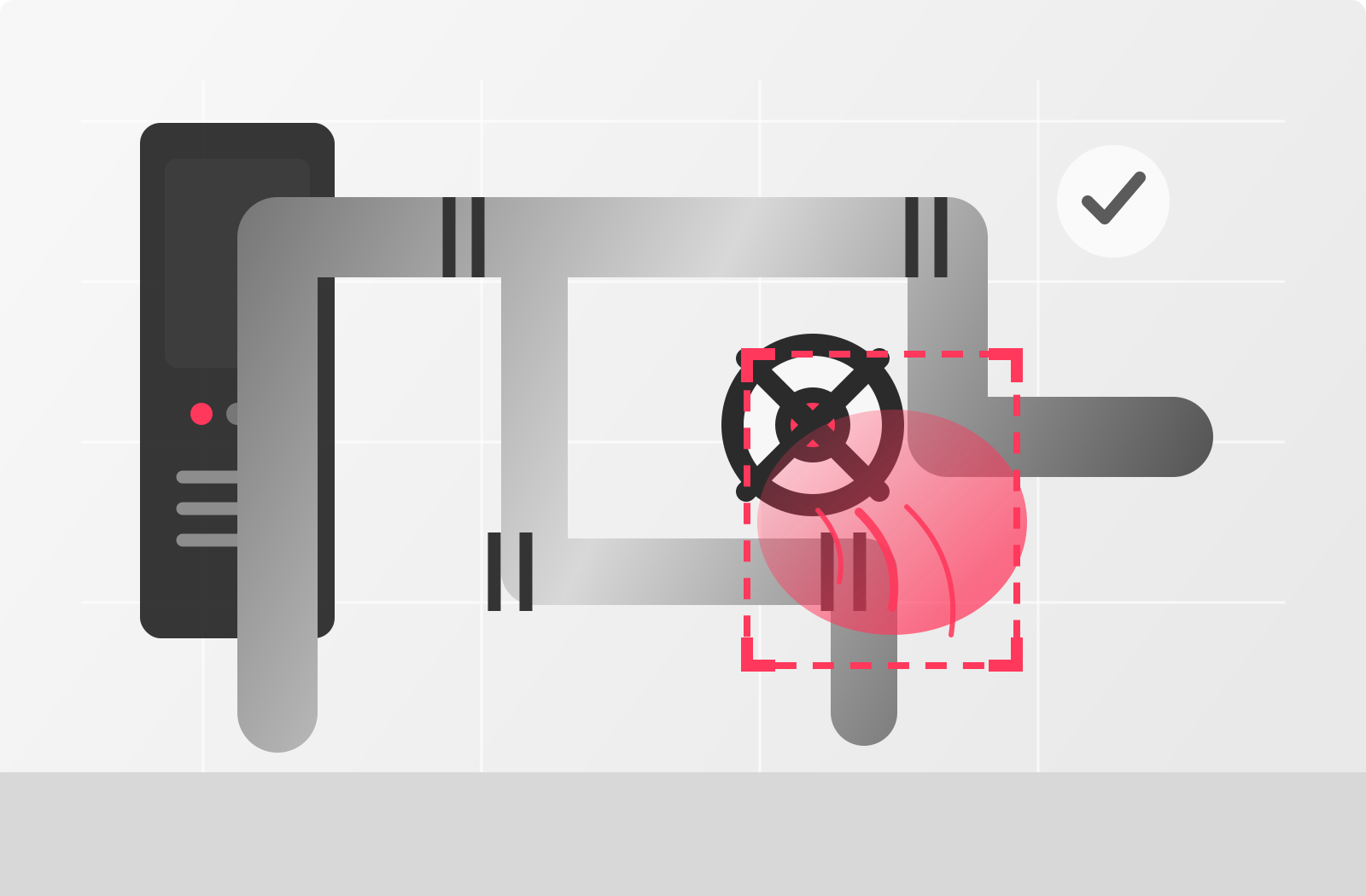
Leak Sight AI system view
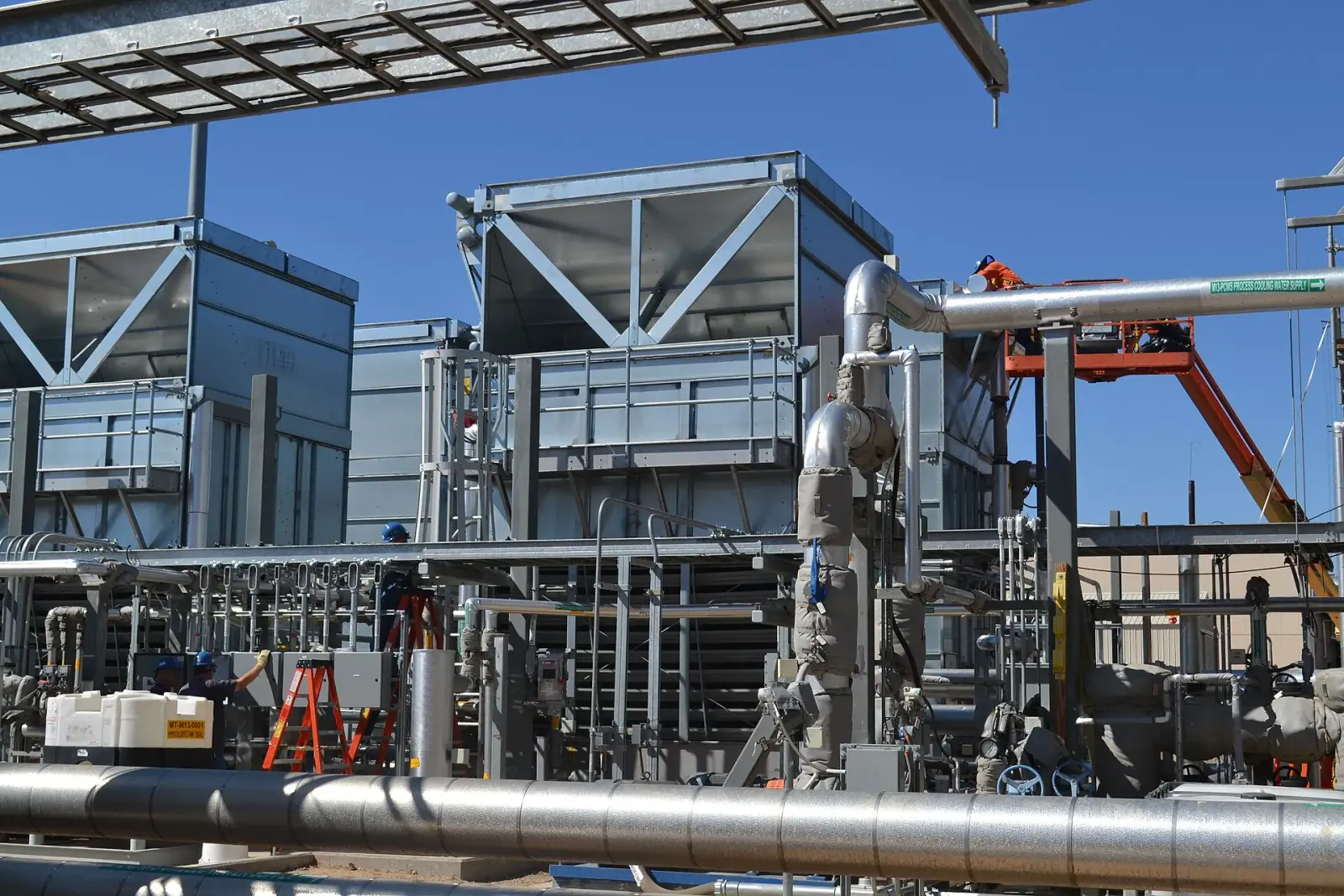 Cooling Utility Loop
Cooling towers, valves, joints, pumps, and exposed transfer lines create specific camera views and access constraints. Leak Sight AI starts with those known locations.
Evidence Before Escalation
A pressure deviation alone may not locate a source. A single frame may mistake washdown or exhaust for a leak. Leak Sight AI assembles the evidence operators need to make a reviewable decision.
Thermal EvidenceCompare the region with adjacent pipework and its recent thermal history.
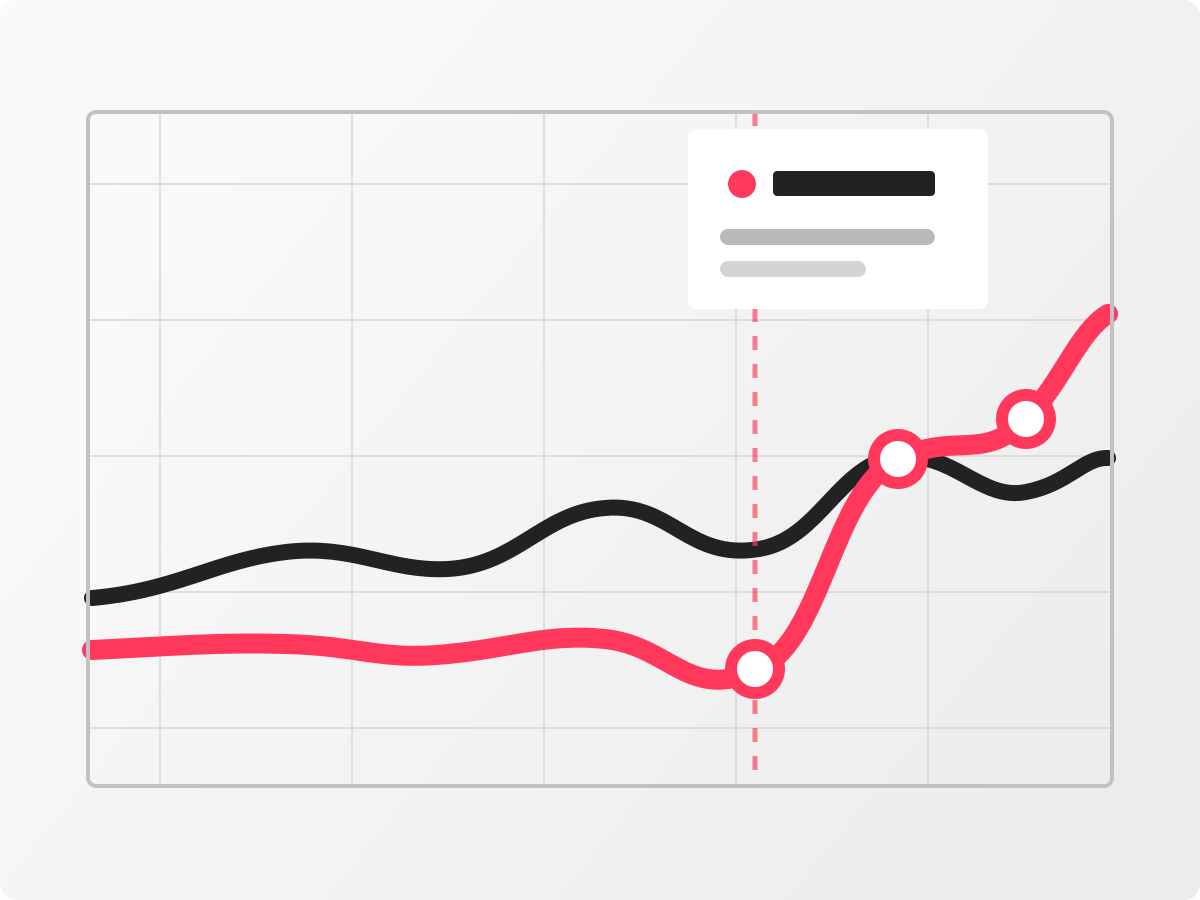 Signal Context
Align visual progression with optional operating signals before escalation.
The Operating Gap
Periodic inspections, pressure-only alarms, and fragmented camera monitoring each reveal part of the picture. Reliability teams still have to locate the source, judge urgency, and collect enough evidence for action.
Exposed assets can change between scheduled rounds, especially across large sites.
A process signal can indicate loss without showing which joint, valve, or pump needs review.
Condensation, cleaning, weather, shadows, and exhaust can resemble leak signatures.
Clips, sensor trends, and inspection notes often reach maintenance as separate artifacts.
Detection Workflow
The system treats detection as a sequence, not a single model output. Each stage narrows uncertainty while keeping an operator in control of the response.
Combine supported RGB and thermal streams with optional pressure, flow, acoustic, weather, and asset context.
Evaluate dripping, pooling, steam, thermal differences, staining, corrosion, and damaged insulation.
Compare the event with recent frames and operating conditions so cleaning, condensation, shadows, and exhaust are less likely to become alarms.
Package the probable source, location, severity, confidence, evidence clips, and recommended response for operator review.
Export a confirmed event into the facility’s maintenance workflow with the evidence needed to assess and schedule the work.
Incident Record
Every incident keeps the probable source, location, supporting observations, and suggested next action together. Operators can confirm or dismiss it without losing the evidence trail.
Valve V-204 · North utility loop
Inspect the valve packing and isolate the line according to the facility’s approved procedure.
Product Scope
Concrete capabilities for exposed water and steam systems, without claiming to see every fluid, gas, or buried asset.
Review visible changes and heat patterns around exposed pipes, joints, valves, and pumps.
Follow how a suspected leak persists, spreads, or clears instead of judging one image in isolation.
Compare video evidence with optional pressure, flow, acoustic, weather, and asset signals.
Tune monitored zones and thresholds to the site’s equipment, camera angles, and operating patterns.
Give operators the event clip, region of interest, signal changes, confidence, and progression.
Process supported camera streams on site, including facilities with limited connectivity.
Let teams confirm, dismiss, and annotate incidents so calibration reflects real operating conditions.
Send confirmed incidents and their evidence into an approved work-order process.
Keep sensitive video on site and synchronize event metadata or clips only when policy allows.
Where to Start
Pumps, valves & exposed process water lines
Chilled-water loops & mechanical rooms
Water, steam & washdown-adjacent equipment
Visible utility lines in controlled areas
Cooling distribution & plant rooms
Distributed above-ground water & steam assets
Edge & Data Architecture
Leak Sight AI uses NVIDIA Jetson for on-site inference, TensorRT for optimized model execution, and DeepStream for supported multi-camera pipelines. These technology references do not imply a partnership or endorsement.
A Bounded First Deployment
Start with one supported RGB camera type, one supported thermal camera type, and a selected set of exposed assets. Calibrate for the facility, review alerts with operators, and export confirmed events into an agreed maintenance workflow.
No invented target rates. Establish the baseline, then assess the pilot against:
Trust Includes Boundaries
Some buried or invisible leaks require non-visual sensing. Weather, cleaning, condensation, shadows, and exhaust can resemble leak signatures. Every deployment requires facility calibration and temporal review.
Customer video can expose confidential processes. On-premises processing, encryption, configurable retention, strict access controls, and audit logs reduce that risk. Human approval remains required for critical actions.
Pilot Qualification
Share enough context to assess camera fit, exposed asset coverage, operational constraints, and a measurable pilot scope. The team will not ask for sensitive process video in this form.