
Condensation or washdown
Check direction, duration, recurrence, and the monitored zone’s operating schedule.
Leak Sight AI narrows a visual change into a reviewable incident, then keeps an operator in control of the maintenance handoff.
Detection Sequence
Each stage keeps the observation tied to a camera, monitored zone, asset, and time window. That traceability is what makes the output useful to a reliability team.
Combine supported RGB and thermal streams with optional pressure, flow, acoustic, weather, and asset context.
Evaluate dripping, pooling, steam, thermal differences, staining, corrosion, and damaged insulation.
Compare the event with recent frames and operating conditions so cleaning, condensation, shadows, and exhaust are less likely to become alarms.
Package the probable source, location, severity, confidence, evidence clips, and recommended response for operator review.
Export a confirmed event into the facility’s maintenance workflow with the evidence needed to assess and schedule the work.
 Operator Review
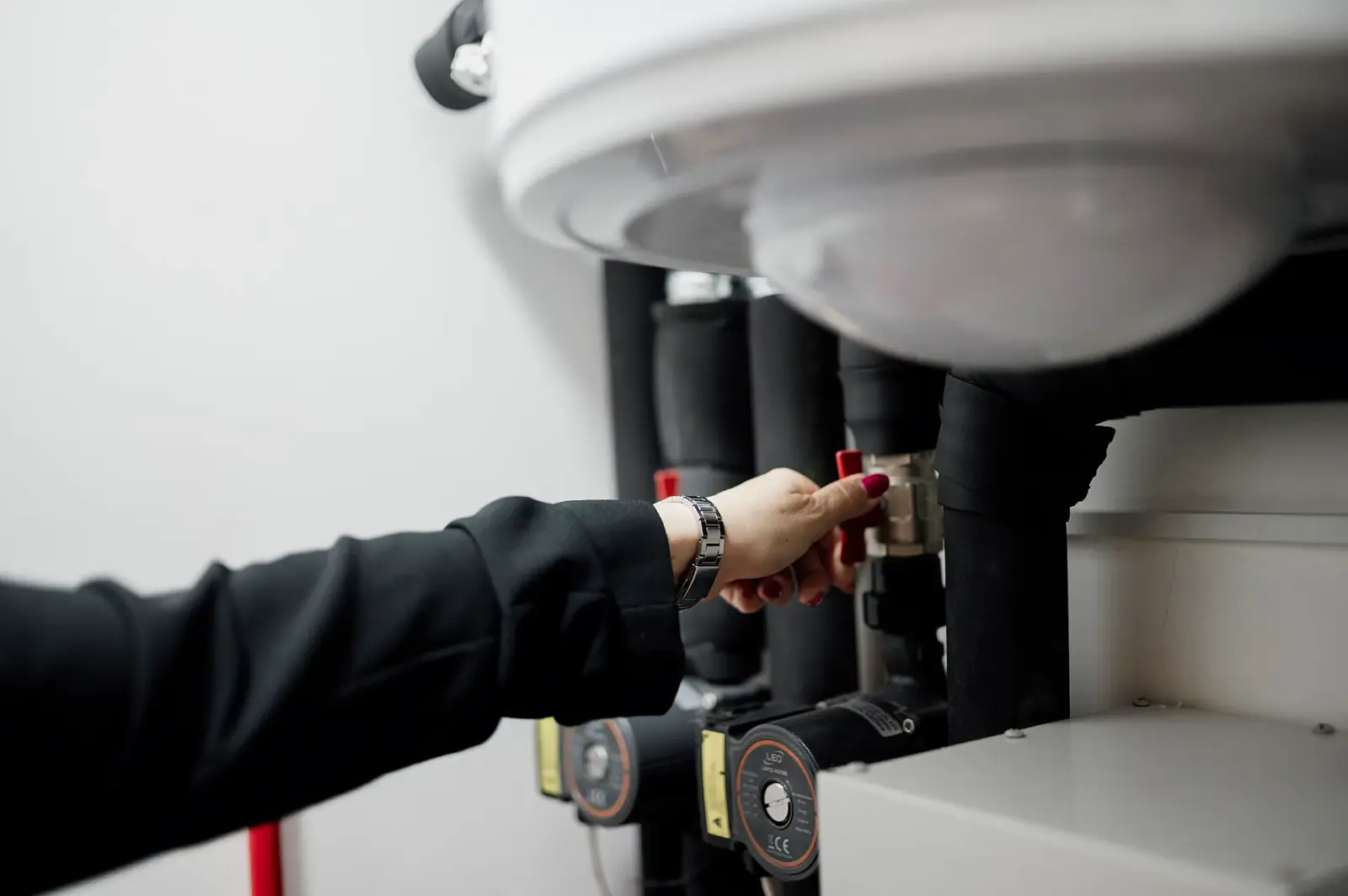
Leak Sight AI can recommend an inspection step, but an operator confirms the event and follows the facility’s approved isolation and maintenance process.
Photo: Shixart1985 · CC BY 2.0
False-Signal Review
Cleaning, condensation, weather, shadows, and exhaust can resemble a leak. Facility calibration and temporal analysis are required because appearance alone is not enough.
Check direction, duration, recurrence, and the monitored zone’s operating schedule.
Compare plume origin and motion with the known asset boundary and thermal region.
Use recent frames, site weather, and time-of-day context before escalation.
Align the visual event with pressure, flow, acoustic, or asset-state data when available.
Operator Handoff
Critical actions remain under the facility’s approved procedure. Leak Sight AI packages evidence and a recommended next step; it does not autonomously isolate equipment.
Inspect the event clip, thermal region, signal context, and progression.
Record the operator decision and add facility context when needed.
Export a confirmed event into the approved maintenance workflow.
Pilot Qualification
A pilot starts with known camera positions, high-risk locations, and an agreed operator review process.