
Show the observations behind the alert
Keep the event clip, monitored region, thermal change, optional operating signals, and progression together so a reviewer can challenge the conclusion.
Leak Sight AI supports reliability teams who need more than a signal. The system connects a suspected event to inspectable evidence, a probable source, and a maintenance decision that remains with the operator.
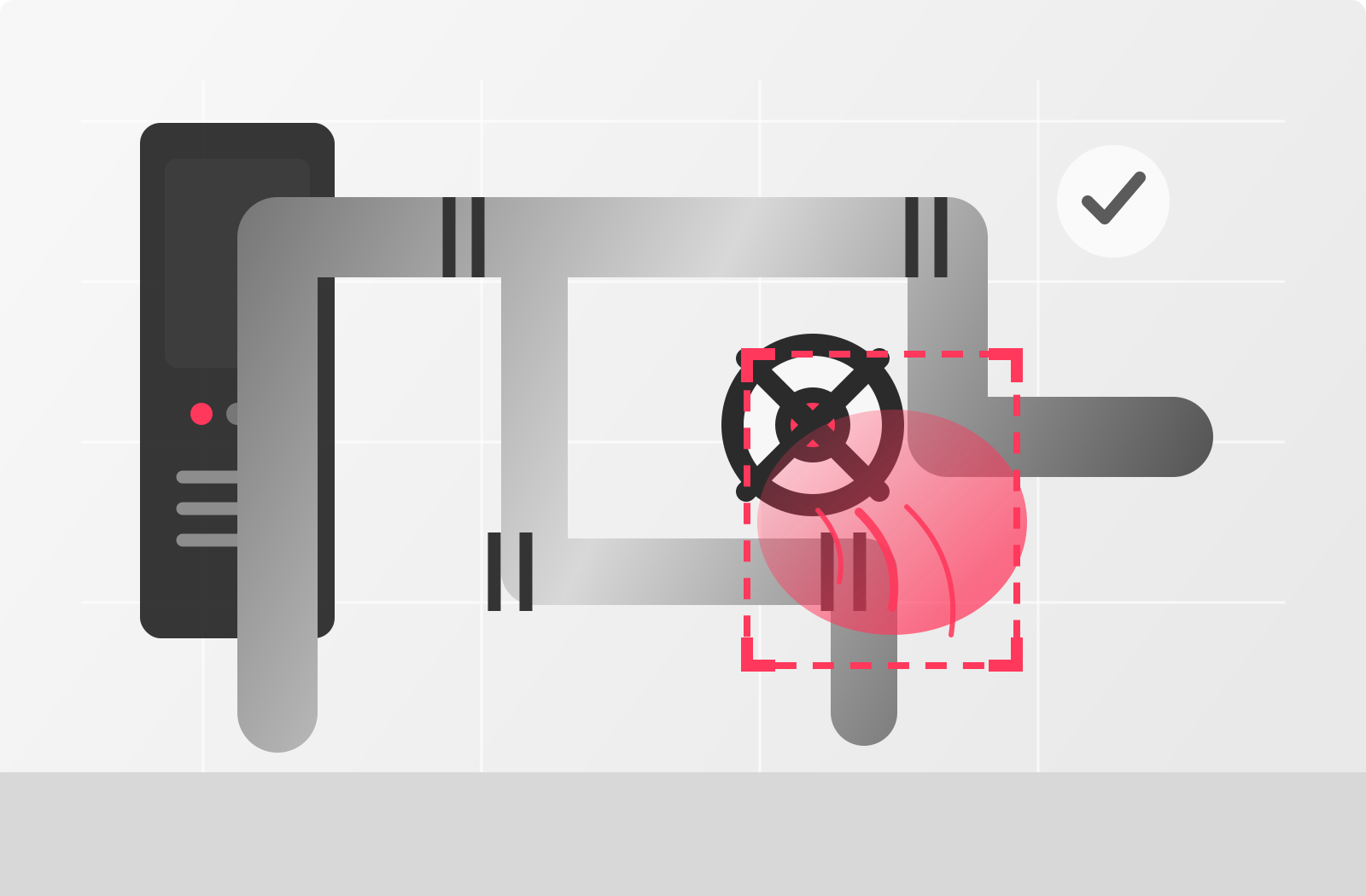 Monitored Zone · V-204
Why Leak Sight AI Exists
Industrial leaks are often discovered after material loss, energy waste, equipment damage, or a safety concern has become visible. Periodic rounds, pressure alarms, and camera feeds each hold part of the answer, but they rarely arrive as one reviewable incident.
Leak Sight AI links supported visual observations with time and optional sensor context. The goal is practical: help a facility find the probable source, inspect the evidence, judge urgency, and initiate its approved response.
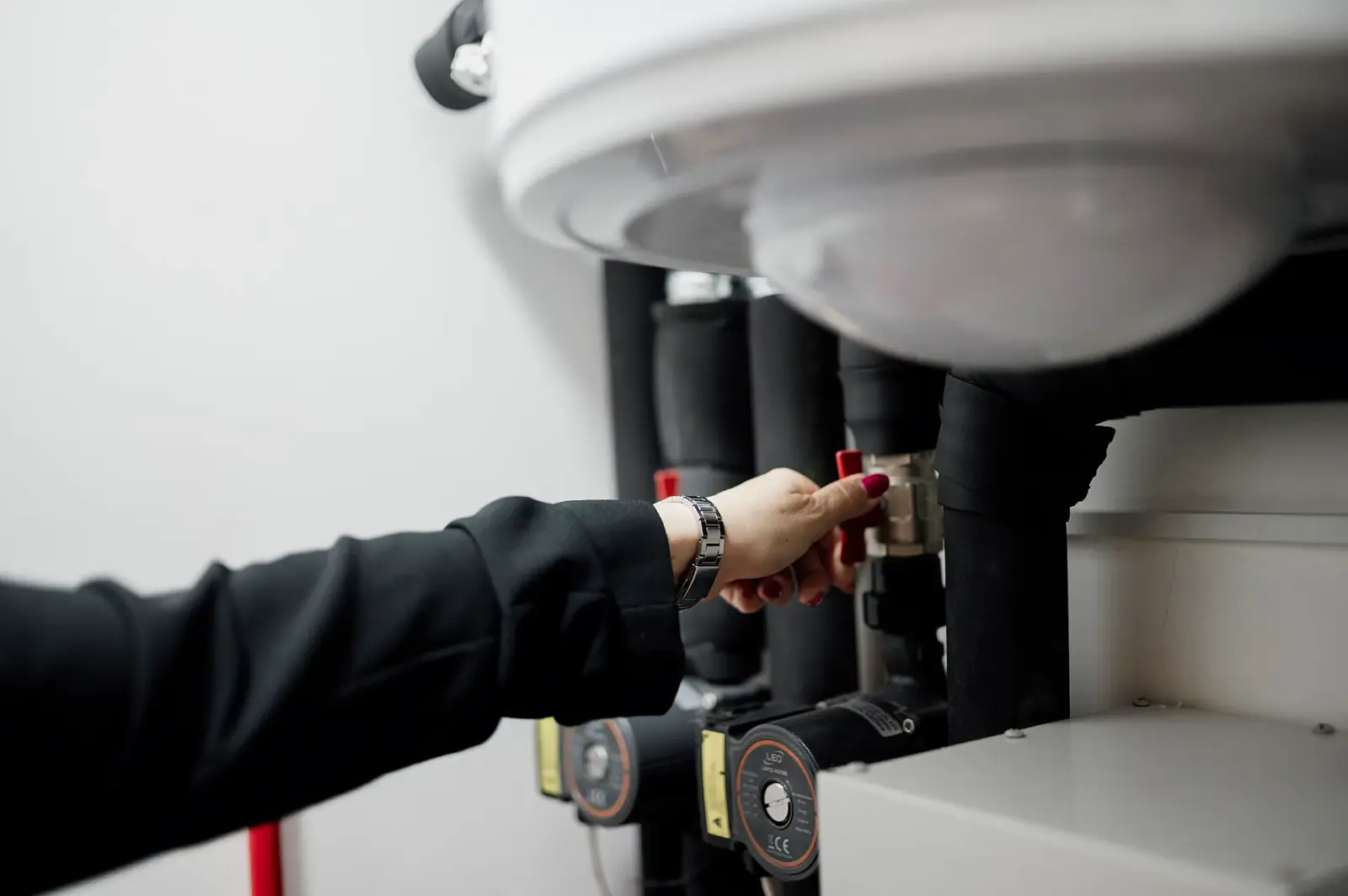 Operator Context
A useful incident must fit the facility’s operating procedure, camera constraints, asset language, and approval path. Leak Sight AI supports that work instead of hiding it behind a score.
Photo: Shixart1985 · CC BY 2.0
Meet the Founder
Building inspectable decision support
Tanishq Tinkesh Brokar is the founder of Leak Sight AI. The company is being built around a clear standard: every alert should stay tied to inspectable evidence, an explicit product boundary, and a human decision.
Operating Principles
Industrial decision support earns confidence by preserving source evidence, identifying ambiguity, and making the next human decision explicit.
Keep the event clip, monitored region, thermal change, optional operating signals, and progression together so a reviewer can challenge the conclusion.
Buried assets, invisible releases, difficult weather, cleaning, condensation, shadows, and exhaust all shape what visual detection can support.
Leak Sight AI recommends a response and preserves the evidence trail. Operators confirm the event and follow the facility’s approved isolation and maintenance procedures.
Product Boundary
Leak Sight AI covers exposed water and steam systems where supported cameras can hold a useful view and operators can validate the result. Other leak classes require sensing suited to their physical signature.
Above-ground pipes, valves, joints, pumps, and supported utility areas observed with RGB, thermal, and optional operating context.
Non-visual releases, buried infrastructure, and events without a usable visual signature require other sensing methods.
Leak Sight AI does not promise to detect every leak, guarantee prevention, or control critical safety equipment without human approval.
How the System Improves
Facility calibration establishes monitored zones, operating context, and known lookalikes such as washdown, condensation, exhaust, weather, and shadows. Operator confirmations, dismissals, and annotations show where the evidence is useful and where calibration needs adjustment.
Pilot Qualification
Start with 10–30 monitored locations, supported camera types, an operator review path, and success measures tied to the site.