RGB & thermal analysis
Review visible changes and heat patterns around exposed pipes, joints, valves, and pumps.
Leak Sight AI combines supported imagery, event history, facility context, operator review, and an edge deployment path for exposed water and steam systems.
Calibrated to a facility and monitored zone
Product Scope
The capability set stays centered on exposed utility assets. It does not imply complete coverage of every fluid, gas, environment, or failure mode.
Review visible changes and heat patterns around exposed pipes, joints, valves, and pumps.
Follow how a suspected leak persists, spreads, or clears instead of judging one image in isolation.
Compare video evidence with optional pressure, flow, acoustic, weather, and asset signals.
Tune monitored zones and thresholds to the site’s equipment, camera angles, and operating patterns.
Give operators the event clip, region of interest, signal changes, confidence, and progression.
Process supported camera streams on site, including facilities with limited connectivity.
Let teams confirm, dismiss, and annotate incidents so calibration reflects real operating conditions.
Send confirmed incidents and their evidence into an approved work-order process.
Keep sensitive video on site and synchronize event metadata or clips only when policy allows.
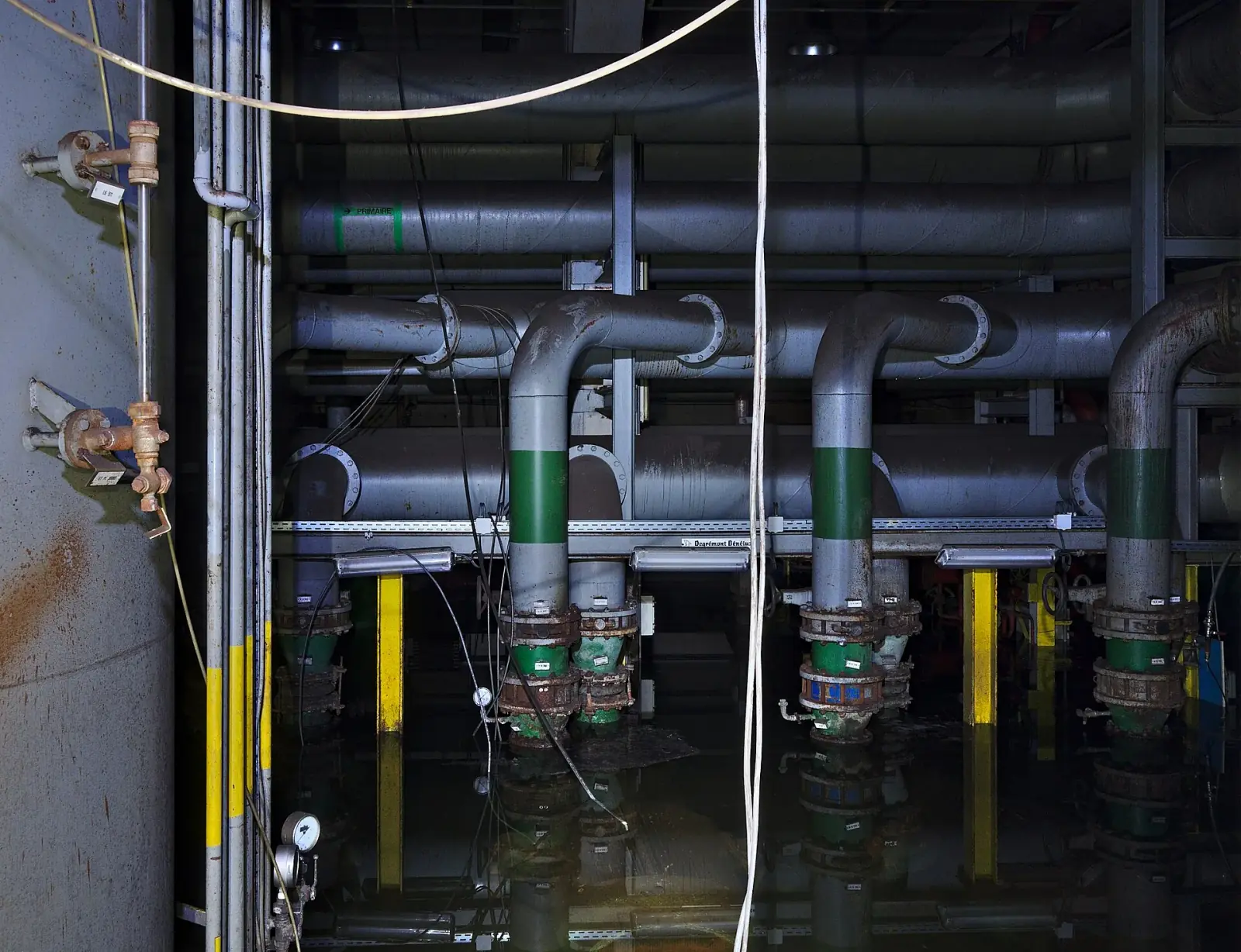 Observable Consequence
Pooling, dripping, plume formation, and surface change can support an investigation. They still require temporal review and facility-specific calibration.
Supported Use Cases
Candidate sites have known high-risk assets, supported camera positions, and operators who can review events against real maintenance outcomes.
Pumps, valves & exposed process water lines
Chilled-water loops & mechanical rooms
Water, steam & washdown-adjacent equipment
Visible utility lines in controlled areas
Cooling distribution & plant rooms
Distributed above-ground water & steam assets
Product Boundaries
Visual evidence can strengthen a decision only when the event is observable and the site conditions are understood. Other leak classes require other sensing methods.
Visible water and steam leaks around exposed pipes, valves, joints, and pumps.
Deeply buried assets, invisible gases, and events with no useful visual signature.
Leak Sight AI recommends and records a response; facility teams approve critical action.
Pilot Qualification
Share the assets, camera constraints, operating context, and evidence your team needs before it opens a maintenance order.
.jpg)